
Online Marketplace vs Traditional Suppliers: Which Is Better for Businesses?
Businesses today have more options than ever when it comes to sourcing products, equipment and supplies. While traditional suppliers have long been the preferred choice for business purchasing, the growth of online marketplaces has introduced a faster and more convenient way to find and compare products. For businesses in the UAE, understanding the difference between these two purchasing methods can help make procurement more efficient and cost-effective.
Traditional suppliers typically involve a direct relationship between a business and a supplier. Buyers may contact suppliers by phone, email or in person to discuss their requirements, request quotations and negotiate prices. This approach can be particularly useful when purchasing specialised equipment, customised products or large quantities. A long-term relationship with a trusted supplier may also provide businesses with personalised service and better understanding of their specific requirements.
However, working with traditional suppliers can sometimes take more time. Businesses may need to contact several suppliers individually before finding the right product or price. Comparing specifications, quotations and availability can also become difficult when information is spread across different emails, websites and catalogues. For companies that regularly source multiple types of products, this process can make procurement more complicated.
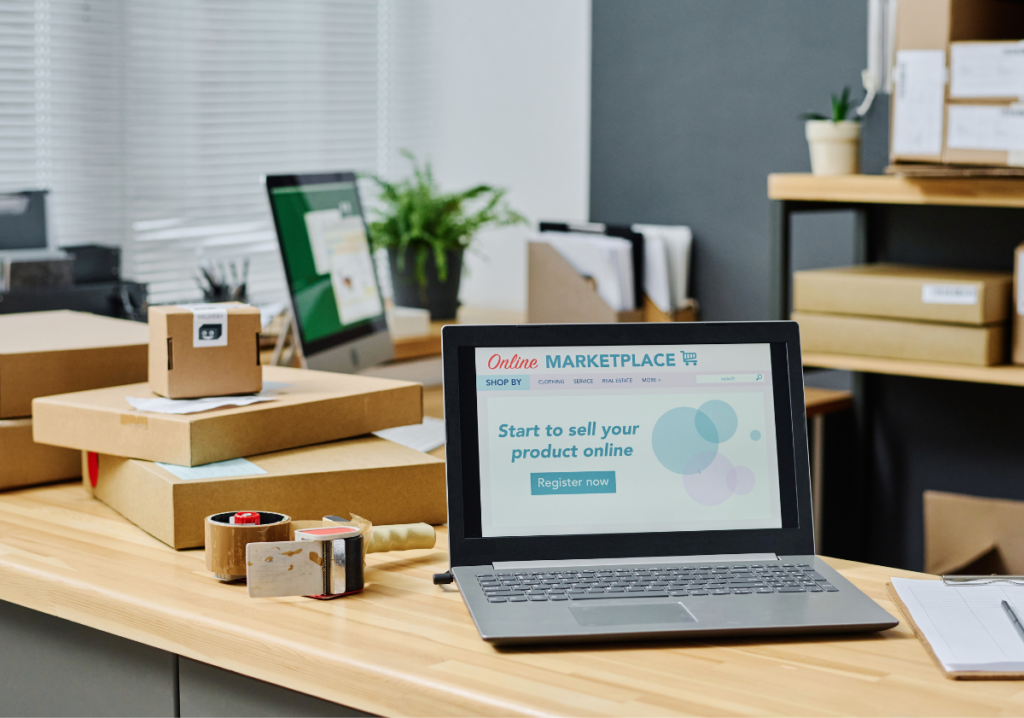
An online marketplace provides a different purchasing experience by bringing multiple products and suppliers together on one platform. Instead of visiting different supplier websites or making numerous enquiries, buyers can search through different categories and explore available products in one place. This can be especially useful for businesses looking for office supplies, electronics, industrial products, equipment, promotional items, packaging solutions and other business essentials.
One of the major advantages of an online marketplace is easier product comparison. Buyers can research different products, review specifications and compare available options before deciding what best suits their requirements. This can make the initial stages of business sourcing much faster. Online platforms also allow procurement teams to conduct research whenever convenient, without depending entirely on supplier office hours.
Online marketplaces can also benefit small and medium-sized businesses. Companies without dedicated purchasing departments may not have the time or resources to contact multiple suppliers for every requirement. A digital marketplace can simplify product discovery and give businesses access to a wider selection of products. This makes online buying a practical option for businesses that want to reduce the time spent on routine purchasing activities.
At the same time, traditional suppliers continue to have an important role in business procurement. Some purchases require detailed technical discussions, customised specifications, installation services or ongoing maintenance. In these situations, direct communication with an experienced supplier can be more valuable than simply comparing products online. Established supplier relationships can also be beneficial when businesses require regular orders or specialised support.
The choice between an online marketplace and traditional suppliers ultimately depends on the type of purchase. For routine products, standard equipment and general business supplies, an online marketplace can provide convenience and easier comparison. For highly specialised products or customised requirements, traditional suppliers may offer the personal support and technical expertise needed to make the right decision.
Businesses can also combine both approaches rather than choosing only one. An online marketplace can be used to research products, compare options and understand current market choices, while established suppliers can be approached when a purchase requires customised solutions or specialist assistance. This combination can give businesses greater flexibility in managing their procurement process.
When comparing suppliers and marketplaces, businesses should look beyond price alone. Product quality, specifications, supplier reliability, delivery options, after-sales support, warranties and overall value should also be considered. A purchasing decision based on several factors can help businesses avoid unnecessary costs and select products that meet their operational needs.
As digital procurement continues to grow, online marketplaces are becoming an increasingly useful part of modern business purchasing. They provide businesses with a convenient way to discover products, compare options and manage everyday sourcing requirements. Traditional suppliers, meanwhile, remain valuable for specialised purchases and relationship-based procurement. For many UAE businesses, using the strengths of both approaches may be the most effective way to create a flexible, efficient and practical purchasing strategy.